
Smart Farming in Pakistan: Where Tech Meets Agriculture
For decades, agriculture has been the backbone of Pakistan’s economy, employing millions and feeding a rapidly growing population. Yet the sector has long struggled with low productivity, climate stress, and outdated practices. In recent years, however, a quiet transformation has begun to take shape. Smart farming, driven by digital tools and data-driven decisions, is starting to redefine how farming works in Pakistan. Where agriculture once relied heavily on intuition and tradition, technology is now stepping in as a strategic partner.
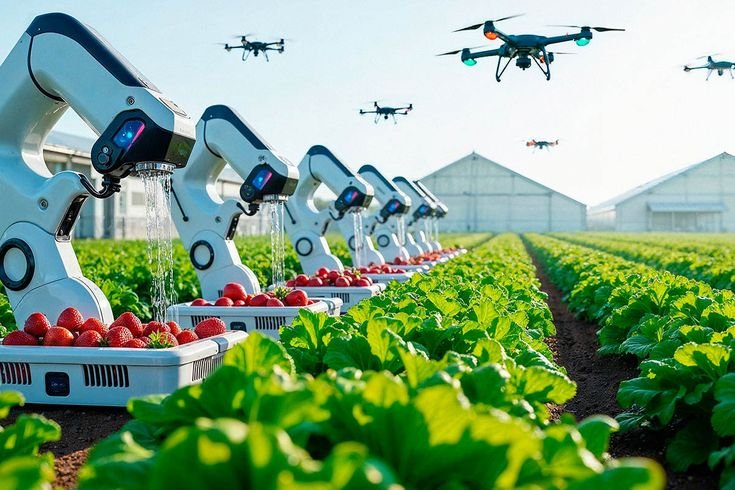
Pakistan’s farms may not yet resemble fully automated fields seen in advanced economies, but the shift is real. From mobile-based advisory apps to satellite data and precision irrigation, technology is slowly weaving itself into the country’s agricultural fabric.
Agriculture at a turning point
Agriculture contributes a significant share to Pakistan’s GDP and remains critical for food security and exports. Yet farmers face mounting pressure from water scarcity, unpredictable weather, and rising input costs. These challenges have exposed the limits of conventional farming methods. Smart farming has emerged as a response, offering tools that help farmers use resources more efficiently while increasing yields. In a country where even small productivity gains can have national impact, this shift carries serious economic weight.
Technology entering the fields
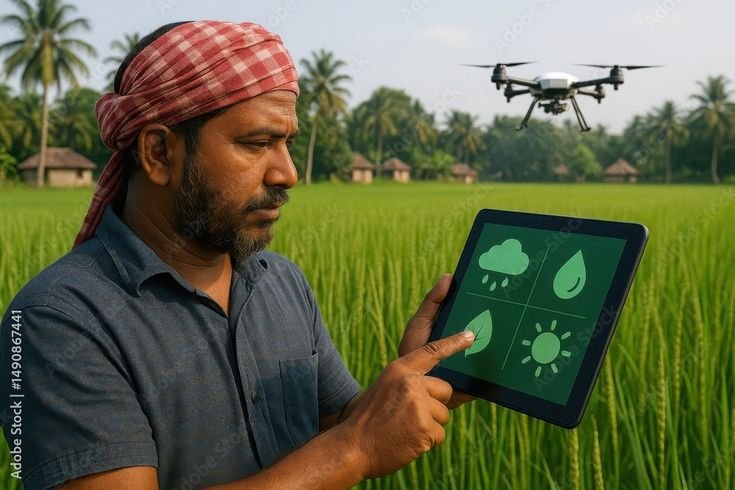
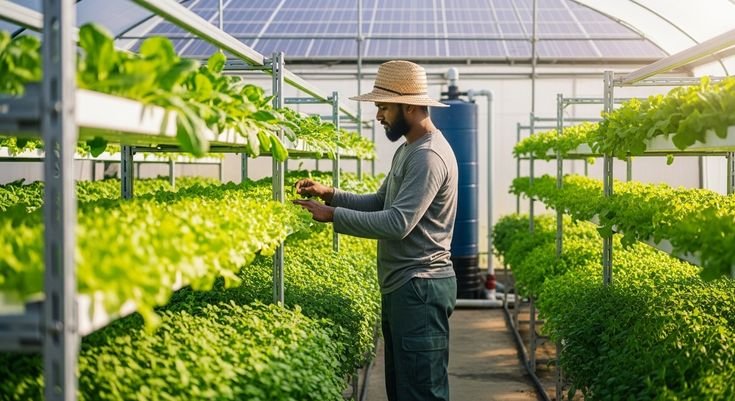
The most visible change is the growing use of digital platforms in farming decisions. Farmers now access weather forecasts, crop disease alerts, and market prices through smartphones. Sensors and GPS-based systems are being introduced to monitor soil health and optimize irrigation. Drones and satellite imagery, once considered out of reach, are gradually finding applications in large-scale farms. These technologies help reduce waste, cut costs, and improve planning, moving agriculture closer to a data-informed industry.
What is driving smart farming adoption?
Several factors are pushing Pakistan toward smart agriculture. A younger, more tech-aware generation is taking interest in agribusiness rather than abandoning farming altogether. Private startups are building solutions tailored to local farming realities, while telecom expansion has improved rural connectivity. Government initiatives promoting digital agriculture and partnerships with international organizations have also played a role. Together, these forces are creating an ecosystem where innovation can take root, even in traditionally conservative rural settings.
Impact on business and the economy
Smart farming is not just about higher yields; it is reshaping agricultural business models. Improved productivity strengthens supply chains and stabilizes food markets. Agritech startups are creating new jobs in software development, data analysis, and logistics. For investors, agriculture is becoming a technology-driven opportunity rather than a high-risk traditional sector. In the long run, smarter farming practices can enhance export competitiveness and reduce reliance on food imports, supporting broader economic stability.
Barriers that slow the transformation
Despite its promise, smart farming in Pakistan faces serious hurdles. Many small farmers lack access to capital, making technology adoption difficult. Digital literacy remains uneven, limiting effective use of advanced tools. Infrastructure gaps, such as unreliable electricity and internet in rural areas, further slow progress. There is also skepticism among farmers who have relied on traditional methods for generations. Without inclusive policies and training, smart farming risks benefiting only a narrow segment of the agricultural community.
The future of agriculture powered by technology
Looking ahead, the success of smart farming in Pakistan will depend on scale and inclusivity. Affordable technology, farmer education, and supportive regulation will be key. If these pieces align, agriculture could evolve into a modern, resilient sector capable of withstanding climate and market shocks. The integration of technology into farming also opens the door to innovation-led growth, where agriculture and the tech industry reinforce each other rather than operate separately.
Smart farming does not promise an instant fix for Pakistan’s agricultural challenges. Yet it represents a meaningful shift in how food is produced, managed, and valued. By blending traditional knowledge with modern technology, Pakistan has the chance to strengthen its agricultural foundation while building a more sustainable future. Whether this transformation reaches every farmer or remains limited to early adopters will shape not only the sector’s future, but the country’s economic resilience in the years to come.


