
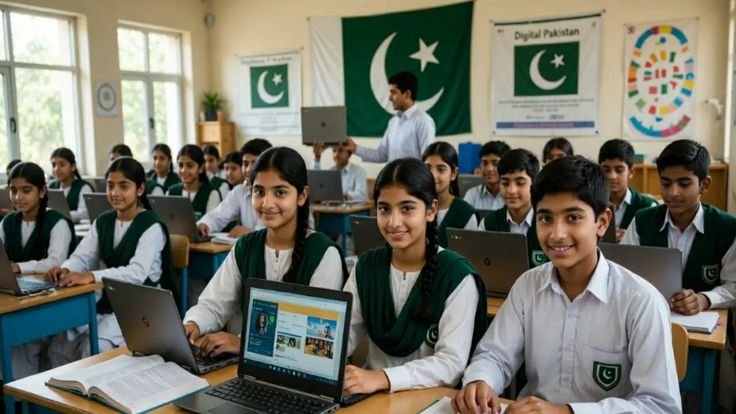
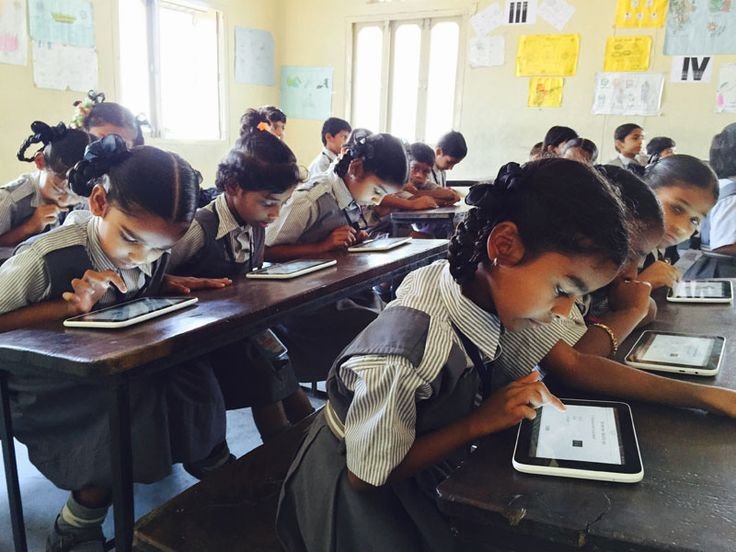

Pakistan’s EdTech Boom: Startups Making Education Smarter
For years, Pakistan’s education system has been defined by overcrowded classrooms, uneven access, and deep gaps between urban and rural learning. Yet quietly, a new sector has begun to challenge that reality. Education technology, or EdTech, is emerging as one of Pakistan’s most dynamic startup spaces, promising to make learning more accessible, flexible, and data-driven. What started as online tutoring platforms has grown into a broader movement that blends technology, entrepreneurship, and social impact.
From mobile learning apps to AI-powered test preparation, EdTech startups are redefining how students learn and how education businesses operate. In a country with one of the world’s youngest populations, this transformation carries both economic and strategic importance.
An education system under pressure
Pakistan faces a massive education challenge. Millions of children remain out of school, while many enrolled students struggle with quality and relevance. Traditional institutions alone have been unable to keep up with population growth, skills demand, and rapid technological change. This gap has created space for private innovation. EdTech startups are stepping in to complement, and sometimes challenge, conventional education models by offering scalable digital alternatives that work beyond physical classrooms.
From tutoring apps to digital ecosystems
Early EdTech solutions in Pakistan focused on exam preparation and online tutoring. Over time, the sector has expanded into full digital ecosystems. Platforms now offer recorded lectures, live classes, learning analytics, and personalized study plans. Some startups target school students, others focus on university learners or professionals seeking upskilling. This diversification reflects a broader shift: education is no longer seen as a one-time phase, but as a continuous service powered by technology.
What is fueling the EdTech surge?
Several forces are driving Pakistan’s EdTech boom. A large, young population with growing smartphone access is the most obvious factor. Internet penetration, while uneven, has improved enough to support digital learning at scale. The pandemic also accelerated acceptance of online education, normalizing remote classes for students and teachers alike. Meanwhile, local entrepreneurs with global exposure are building solutions that blend international best practices with local needs, attracting early-stage investment and partnerships.
Economic and business impact
EdTech is increasingly viewed as more than a social initiative; it is a viable business sector. Startups are creating jobs in software development, content creation, data analysis, and digital marketing. Subscription-based models, freemium access, and enterprise partnerships are turning education into a recurring revenue industry. For investors, EdTech offers a rare mix of social impact and commercial scalability, especially in emerging markets like Pakistan where demand remains largely unmet.
Challenges behind the optimism
Despite its momentum, Pakistan’s EdTech sector faces real obstacles. Access to reliable internet and devices remains limited for many students, particularly in rural areas. Affordability is another concern, as paid platforms risk excluding those who need education the most. Regulatory uncertainty and lack of standardized quality benchmarks also pose risks. Without careful oversight and inclusive design, EdTech could widen educational inequality rather than reduce it.
Where is Pakistan’s EdTech headed?
The future of EdTech in Pakistan will likely depend on integration rather than replacement. Startups that collaborate with schools, universities, and public institutions may achieve greater scale and trust. Advances in artificial intelligence, data analytics, and adaptive learning could further personalize education and improve outcomes. If supported by policy, investment, and infrastructure, EdTech could become a cornerstone of Pakistan’s digital economy and human capital development.
Pakistan’s EdTech boom reflects a deeper shift in how education is valued and delivered. While technology alone cannot solve systemic challenges, it has opened new pathways for learning, entrepreneurship, and economic growth. The real test lies in whether these innovations can remain inclusive, affordable, and sustainable. If they do, EdTech startups may not only make education smarter, but help shape a more competitive and resilient Pakistan in the digital age.


