
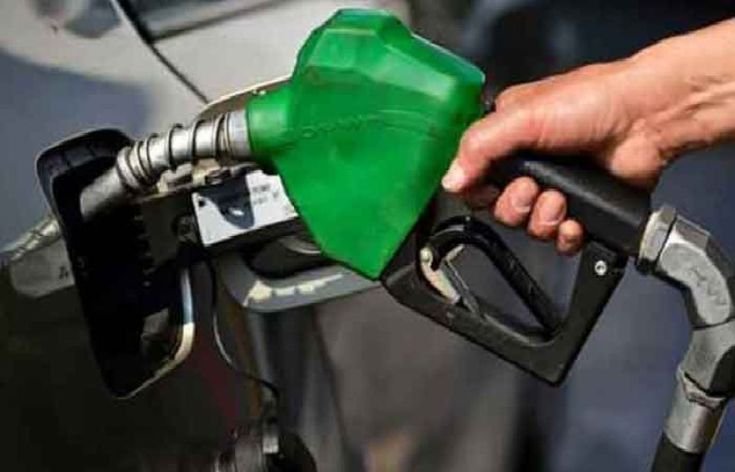
PakistanIndonesia.com – For many drivers across Pakistan’s major cities, a routine trip to the petrol pump has suddenly become an anxious wait in long queues. As geopolitical tensions surrounding Iran escalate, fuel stations across the country are witnessing unusual crowds and panic buying.
The situation unfolded rapidly after authorities announced a sharp increase in petrol and diesel prices, triggering concerns that fuel supplies might tighten in the coming weeks. Long lines of cars and motorcycles were reported in cities including Lahore, Karachi, and Islamabad as people rushed to fill their tanks before new prices took effect.
While officials insist that national fuel reserves remain adequate, the sudden surge in demand reflects how global conflicts can quickly ripple through Pakistan’s economy and everyday life.
A Regional War with Global Energy Consequences
The tension stems from the widening conflict involving Iran and its regional adversaries. The crisis has disrupted global oil markets and pushed energy prices higher worldwide.
Pakistan, which imports a large portion of its petroleum products, is particularly vulnerable to such shocks. Much of the country’s oil supply travels through the Strait of Hormuz — one of the world’s most critical shipping routes for crude oil.
As shipping risks and insurance costs rise during conflict, oil-importing countries like Pakistan face sudden increases in fuel costs. In response to global market pressures, the government raised retail petrol and diesel prices by about 55 Pakistani rupees per litre, one of the steepest increases in recent years.
For consumers already struggling with inflation, the announcement immediately triggered concern and a rush to petrol stations.
Panic Buying and Long Queues Across Cities
Across Pakistan, scenes at fuel stations began to resemble a crisis response rather than an ordinary evening commute.
Motorists rushed to buy petrol before the price hike came into effect, causing queues stretching for hundreds of meters at some pumps. In several areas, fuel stations temporarily shut down or limited sales as stocks were quickly depleted.
Reports from Karachi indicated that some station owners closed early or rationed petrol in anticipation of higher prices and potential shortages.
Economists note that such behavior often creates the very shortages people fear. When consumers rush simultaneously to purchase fuel, supply chains experience sudden pressure that disrupts normal distribution.
Government Response and Efforts to Calm the Market
Authorities have attempted to reassure the public that the situation remains under control. Officials say Pakistan still has sufficient petroleum stocks and that supply chains are functioning normally.
The government has also directed provincial administrations to monitor petrol stations closely to prevent hoarding or artificial shortages.
At the same time, policymakers are considering emergency measures to reduce fuel consumption if the crisis deepens. Proposals reportedly include temporary work-from-home policies or even shorter workweeks to conserve fuel.
These discussions highlight how seriously the government is taking the possibility of prolonged disruption in global oil markets.
Economic Pressure on an Already Fragile Economy
The fuel shock comes at a difficult moment for Pakistan’s economy. Energy imports account for a significant share of the country’s foreign spending, and rising oil prices can quickly worsen inflation and fiscal pressure.
Higher fuel prices tend to ripple across the economy, increasing transportation costs, raising food prices, and affecting manufacturing and logistics.
Analysts warn that if the regional conflict continues to disrupt oil supply routes, Pakistan could face sustained energy price volatility in the months ahead.
What Happens Next for Pakistan’s Energy Security?
The unfolding situation highlights a deeper structural issue: Pakistan’s heavy reliance on imported fuel.
Experts say the crisis may accelerate discussions about diversifying energy sources, investing in renewable power, and strengthening domestic energy infrastructure. Reducing dependence on imported oil has long been a policy goal, but global shocks often reveal how urgent that transition has become.
For now, the queues at petrol stations serve as a visible reminder of how international conflicts can quickly shape daily life far beyond the battlefield.
Penutup
The panic at Pakistan’s fuel stations reflects more than just rising petrol prices. It illustrates how closely national economies are tied to global energy markets and geopolitical tensions.
While officials maintain that supplies remain stable, the episode underscores the vulnerability of countries dependent on imported fuel. In a world where conflicts can disrupt oil flows overnight, Pakistan’s long-term challenge will be building a more resilient and diversified energy system.


