
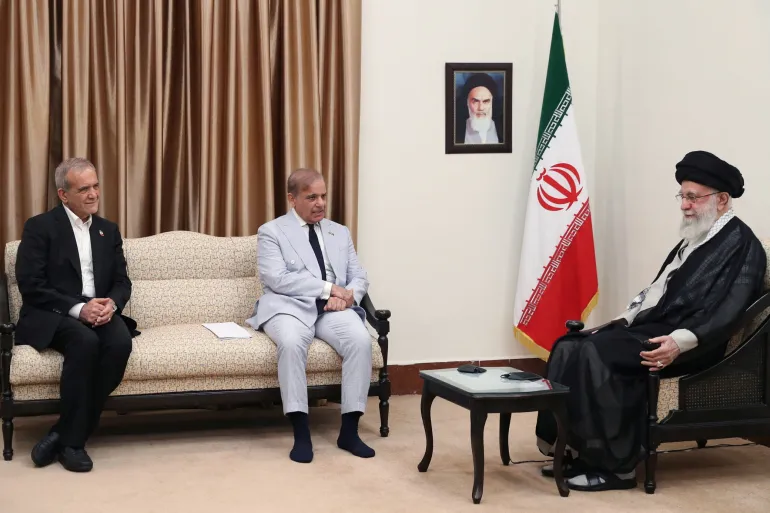
PakistanIndonesia.com – For decades, Pakistan has carefully navigated a delicate diplomatic path in the Middle East. Maintaining strong ties with both Iran and Saudi Arabia has long been part of Islamabad’s foreign policy strategy. Yet as regional tensions intensify, that balancing act is becoming increasingly difficult.
The latest escalation in the rivalry between Iran and Saudi Arabia is placing Pakistan in a complex position. With economic dependence, security cooperation, and religious ties linking the country to both sides, Islamabad faces growing pressure to clarify where it stands.
For now, officials insist that Pakistan’s policy remains one of neutrality. But analysts say that as geopolitical tensions deepen, remaining neutral may become harder than ever.
A Delicate Diplomatic Balancing Act
Pakistan’s relationship with Saudi Arabia has historically been deep and strategic. The Gulf kingdom has long provided financial assistance, investment, and employment opportunities for millions of Pakistani workers living abroad.
Saudi Arabia has also played an important role in supporting Pakistan’s economy during periods of financial instability. In return, Islamabad has maintained close military and political cooperation with Riyadh.
At the same time, Pakistan shares a long border and complex relationship with neighboring Iran. Trade links, security concerns, and cross-border ethnic ties mean that stability in Iran directly affects Pakistan’s western provinces. This dual relationship places Pakistan in a unique but challenging diplomatic position whenever tensions rise between the two regional powers.
Escalating Rivalry in the Middle East
The rivalry between Iran and Saudi Arabia is rooted in decades of political, ideological, and strategic competition. The two countries often support opposing factions in regional conflicts across the Middle East.
Recent developments have once again heightened tensions, raising fears that regional instability could spread further. For countries like Pakistan that maintain relations with both sides, the consequences could be significant.
Islamabad has repeatedly called for dialogue and diplomatic solutions. Officials emphasize that regional stability is essential not only for the Middle East but also for South Asia. However, geopolitical realities often complicate such calls for neutrality.
Economic and Strategic Pressures on Islamabad
Pakistan’s economic ties with Saudi Arabia remain substantial. The kingdom hosts a large Pakistani workforce whose remittances play an important role in Pakistan’s economy.
Saudi investment and financial support have also helped Pakistan manage economic challenges in the past. This economic relationship inevitably shapes Islamabad’s diplomatic calculations.
At the same time, Pakistan cannot ignore its geographic and strategic relationship with Iran. Border security, trade routes, and energy cooperation are important considerations for both countries. Balancing these interests requires careful diplomacy, particularly when tensions between the two regional rivals intensify.
Domestic Considerations and Sectarian Sensitivities
Pakistan’s internal dynamics also influence its foreign policy decisions. The country has a diverse religious landscape that includes both Sunni and Shia communities.
Any perception that Pakistan is openly siding with one regional power could risk inflaming domestic sectarian tensions. Maintaining neutrality therefore serves not only foreign policy goals but also internal stability. For policymakers in Islamabad, the challenge is managing international alliances without creating divisions at home.
The Limits of Neutrality
Despite Pakistan’s desire to remain neutral, geopolitical realities may eventually test that stance. Regional conflicts often create pressures that force countries to take clearer positions.
Diplomatic observers say Pakistan will likely continue to advocate dialogue and de-escalation. Yet if tensions between Iran and Saudi Arabia deepen further, Islamabad may find it increasingly difficult to remain equally close to both sides. The coming months could reveal whether Pakistan’s traditional balancing strategy can survive in an increasingly polarized Middle East.
Penutup
Pakistan’s foreign policy has long relied on maintaining constructive relationships across a complex geopolitical landscape. Balancing ties with both Iran and Saudi Arabia has been one of its most delicate diplomatic tasks.
For now, Islamabad continues to emphasize neutrality and dialogue. But as regional tensions evolve, the challenge will be preserving that balance without compromising strategic interests.
Whether Pakistan can sustain this careful diplomacy will depend on how the broader Middle East conflict unfolds, and how successfully Islamabad navigates the competing pressures surrounding it.


