
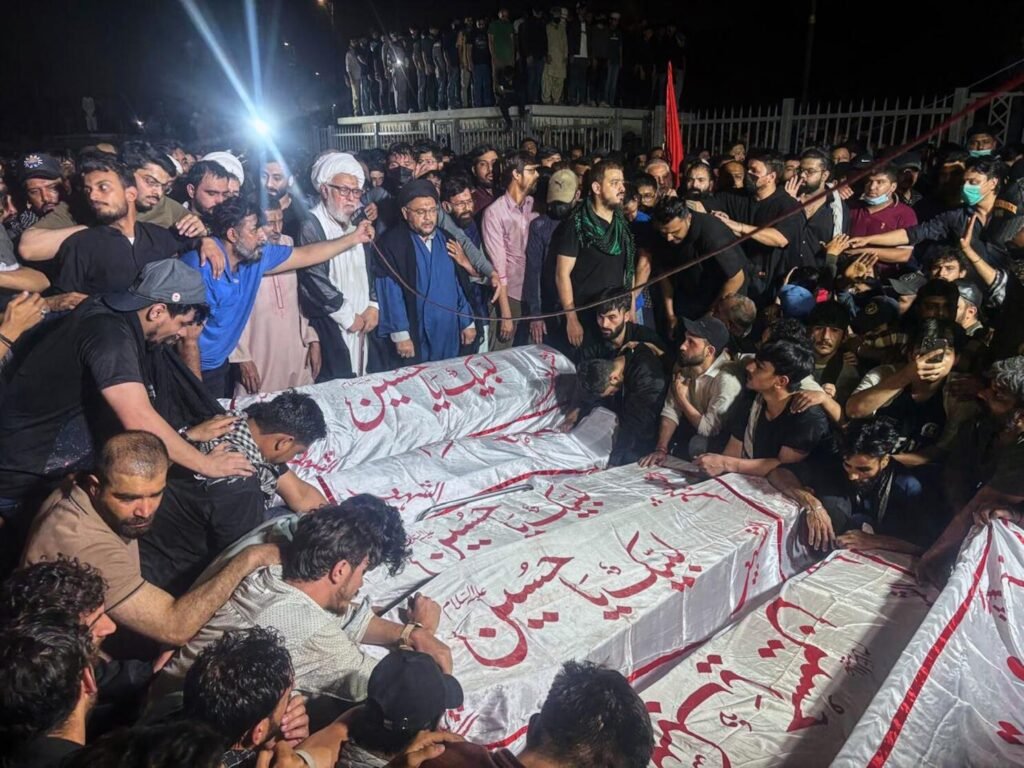
PakistanIndonesia.com – Tensions across parts of Pakistan have escalated dramatically after deadly protests linked to the regional conflict involving Iran triggered violence in several cities. Authorities responded by deploying troops and imposing emergency curfews as clashes between protesters and security forces left at least 24 people dead.
The unrest highlights how geopolitical conflicts far beyond Pakistan’s borders can quickly spill into domestic politics and public sentiment. For many communities, demonstrations initially meant to show solidarity have rapidly turned into violent confrontations, forcing the government to take urgent security measures.
Officials say the priority now is restoring calm and preventing further escalation. Yet the events reveal deeper tensions within the country as regional rivalries increasingly shape local reactions.
A Wave of Protests Across Major Cities
The protests began as rallies expressing support for Iran amid growing tensions in the Middle East. Demonstrators gathered in several cities, including Karachi and Lahore, carrying banners and chanting slogans linked to the ongoing regional crisis.
Initially peaceful in some areas, the gatherings soon escalated as crowds grew larger and confrontations broke out between protesters and security forces. In several locations, clashes reportedly involved stone-throwing, road blockades, and attempts to disperse crowds using tear gas.
Authorities say the situation deteriorated rapidly, prompting emergency measures to prevent further violence.
Government Deploys Troops and Imposes Curfew
In response to the escalating unrest, the government ordered the deployment of military units to support local police forces. A three-day curfew was announced in the most affected areas to limit movement and prevent additional clashes.
Officials stressed that the measures were temporary but necessary to restore order. Security checkpoints were established across several neighborhoods, while patrols increased in sensitive districts.
Residents were advised to remain indoors except for essential needs, with authorities warning that strict enforcement would follow any violations of the curfew.
Domestic Tensions Linked to Regional Politics
Pakistan has historically maintained complex diplomatic relationships across the Middle East, including with both Iran and Saudi Arabia. That delicate balance often means regional developments resonate strongly within the country.
Public opinion in Pakistan frequently reflects broader ideological, religious, and political connections with events unfolding abroad. When tensions escalate in the Middle East, demonstrations and political activism can quickly appear on Pakistan’s streets.
Analysts say the latest unrest illustrates how international conflicts can influence domestic stability, particularly when emotions and sectarian identities become intertwined with geopolitical issues.
Security Concerns and Calls for Calm
Government officials have urged citizens to avoid spreading rumors and to remain calm while authorities work to stabilize the situation. Religious and community leaders have also called for restraint, emphasizing the importance of maintaining national unity.
Security experts warn that protests linked to foreign conflicts can become unpredictable if misinformation spreads rapidly through social media. Managing public perception, therefore, is becoming as important as maintaining physical security on the streets.
Authorities say investigations are underway to determine how the violence escalated and who may have been responsible for inciting clashes.
A Test for Pakistan’s Internal Stability
The unrest arrives at a sensitive moment for Pakistan, as the country navigates economic challenges and shifting geopolitical pressures. Domestic stability remains a key priority for policymakers, particularly when external events risk fueling internal divisions.
For Islamabad, the challenge is ensuring that international rivalries do not translate into domestic unrest that could undermine social cohesion.
Penutup
The deadly protests and subsequent curfew demonstrate how deeply global conflicts can influence local realities. In Pakistan, the ripple effects of Middle Eastern tensions have once again surfaced in the form of public demonstrations and security concerns.
While authorities hope the curfew will restore calm, the episode highlights the delicate balance Pakistan must maintain, both in its foreign policy and in managing domestic reactions to events beyond its borders.


