
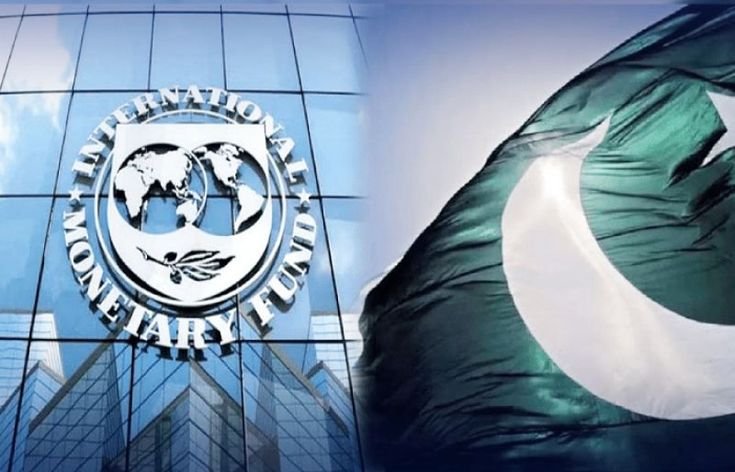
Pakistanindonesia.com- The Pakistan DISCO privatization plan has moved into focus as the government prepares to sell stakes in three major electricity distribution companies. The move is seen as a key step toward unlocking the next tranche of funding from the International Monetary Fund (IMF).
Officials say the decision reflects growing pressure to reform Pakistan’s struggling power sector, which has long faced inefficiencies, mounting debt, and operational losses.
Pakistan DISCO Privatization and the Bigger Economic Context
The Pakistan DISCO privatization initiative comes amid broader efforts to stabilize the economy. Pakistan has been navigating fiscal challenges, including high inflation, currency volatility, and external debt obligations.
The IMF has repeatedly emphasized structural reforms as a condition for continued financial support. Among these, improving the energy sector remains a top priority.
Electricity distribution companies, commonly known as DISCOs, have been at the center of these concerns due to persistent losses and inefficiencies.
Recent Developments in the Privatization Plan
Under the Pakistan DISCO privatization plan, three major distribution companies are expected to be privatized in phases.
Authorities aim to attract private investors who can improve efficiency, reduce losses, and modernize operations.
The move is also intended to signal commitment to reform, which could strengthen Pakistan’s position in negotiations with international lenders.
While timelines are still being finalized, officials indicate that preparations are already underway.
What Is Driving This Policy Shift?
Several factors are driving the Pakistan DISCO privatization push.
First, the power sector has accumulated significant circular debt, creating financial strain across the system.
Second, inefficiencies in billing and transmission have resulted in major revenue losses.
Third, the need to meet IMF conditions has added urgency to implement structural reforms. Together, these factors have made privatization a more viable option for policymakers seeking long-term solutions.
Impact on Businesses and the Economy
The Pakistan DISCO privatization plan could have wide-ranging effects on businesses and the broader economy. Improved efficiency in electricity distribution may reduce power outages and enhance reliability for industries.
For businesses, this could lower operational disruptions and improve productivity. However, there are also concerns that privatization could lead to higher tariffs if not managed carefully. Balancing efficiency gains with affordability will be a key challenge moving forward.
Challenges and Public Concerns
Despite its potential benefits, the Pakistan DISCO privatization plan faces several challenges. Public resistance is one of the main concerns, particularly around fears of job losses and rising electricity costs.
There are also questions about regulatory oversight and whether private operators will prioritize service quality over profit. Ensuring transparency and accountability will be essential to maintaining public trust.
The Road Ahead for Pakistan’s Energy Sector
The Pakistan DISCO privatization initiative marks a significant shift in the country’s approach to energy reform. If successful, it could pave the way for broader changes across the power sector, including improved governance and increased private sector participation.
At the same time, the outcome will depend heavily on implementation, regulatory frameworks, and investor confidence.
The Pakistan DISCO privatization plan highlights the difficult balance between economic reform and public interest. While the move may unlock critical IMF funding and improve efficiency, it also raises important questions about affordability and long-term impact.
For Pakistan, the path forward will require careful execution, transparent policies, and sustained commitment to reform. The success of this initiative could shape the future of the country’s energy sector and its broader economic stability.
Source
ProPakistani


