
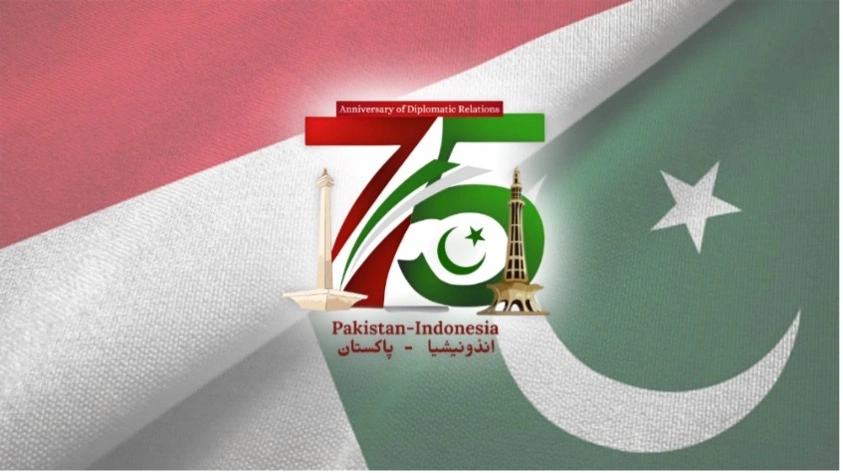
Indonesia Pakistan Relations – As Indonesia and Pakistan mark 75 years of diplomatic ties, both nations are urged to move beyond ceremonial gestures and focus on building a deeper, more sustainable partnership. Their relationship—rooted in shared struggles, mutual respect, and cultural affinity—stands as a powerful testament to South–South cooperation.
From historic solidarity during the Indonesian Revolution to modern-day collaboration in trade and defense, Indonesia–Pakistan relations have evolved significantly. Yet, both nations now face the challenge of transforming goodwill into tangible outcomes that benefit their people and strengthen regional resilience.
A Historical Bond Beyond Diplomacy
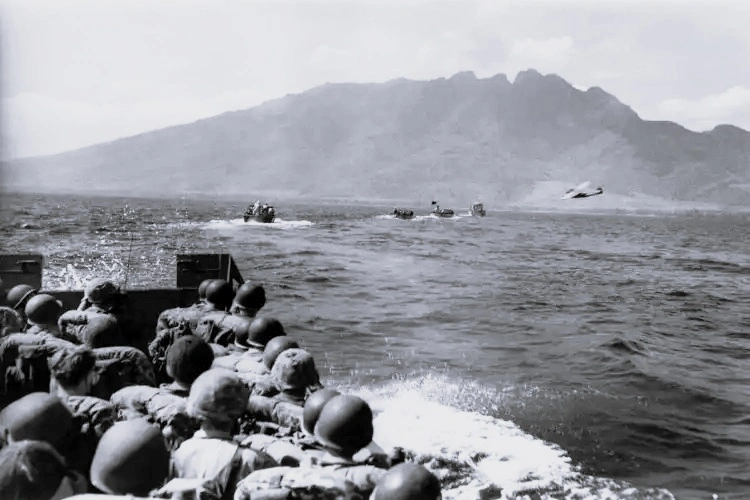
The roots of Indonesia–Pakistan relations trace back before Pakistan’s independence. Muslim soldiers from British India, many of whom became Pakistani, fought alongside Indonesians against Dutch colonial forces. Around 600–800 soldiers joined the Indonesian struggle, and over 500 sacrificed their lives for Indonesia’s freedom.
In a show of solidarity, Muhammad Ali Jinnah ordered the detention of Dutch arms shipments passing through Karachi in 1947–48. Indonesia later honored Jinnah with the Adipura award in 1995, symbolizing enduring gratitude. Formal diplomatic relations were established in April 1950, followed by the signing of the Treaty of Friendship in Jakarta a year later.
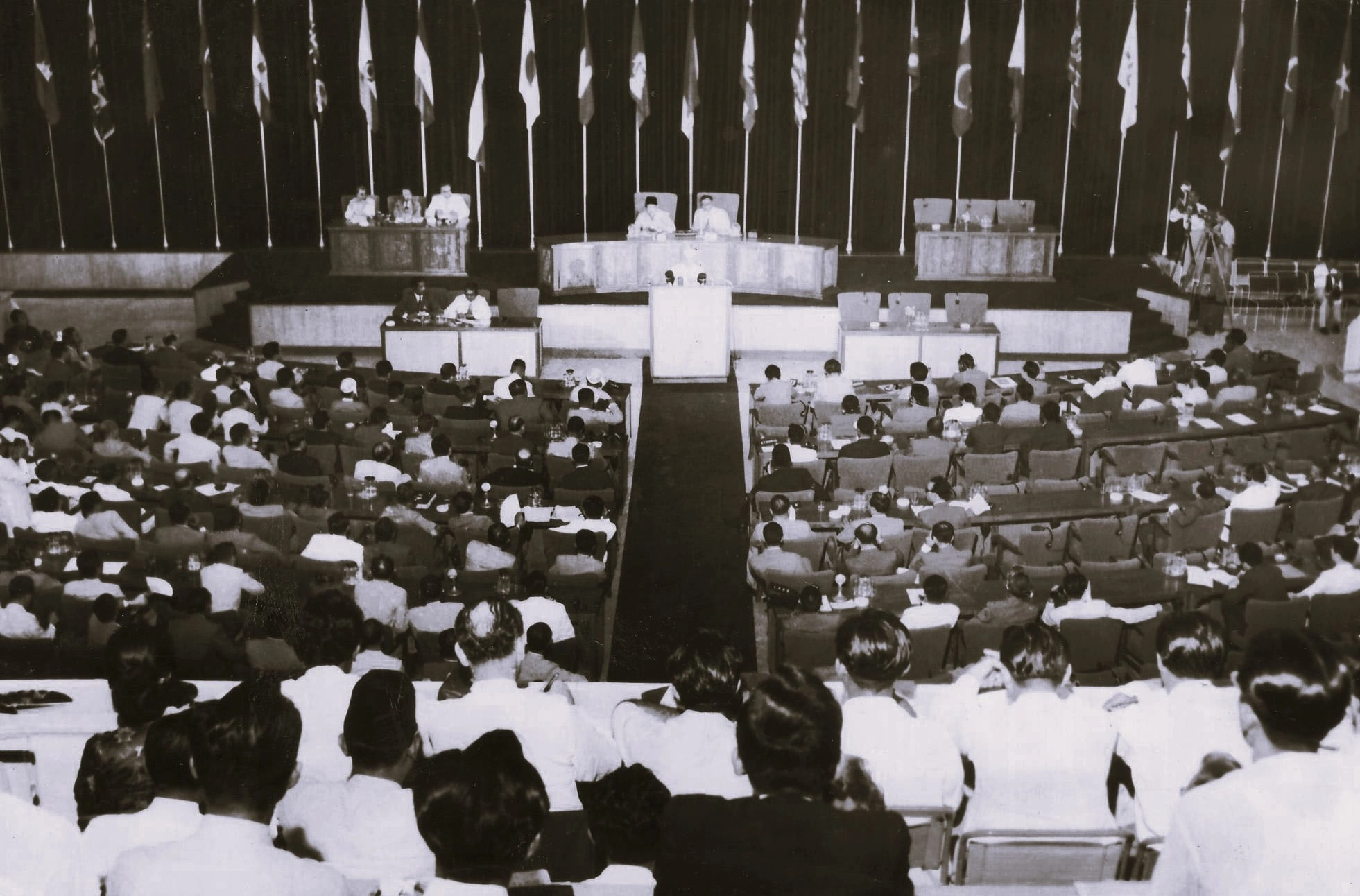
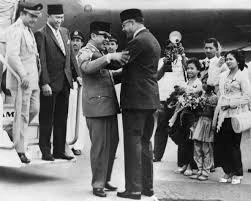
A defining milestone came at the 1955 Bandung Conference, where both nations stood united in advocating peace, decolonization, and non-alignment. These early initiatives laid the groundwork for a partnership built on shared values and global cooperation.
Economic Cooperation and Imbalances
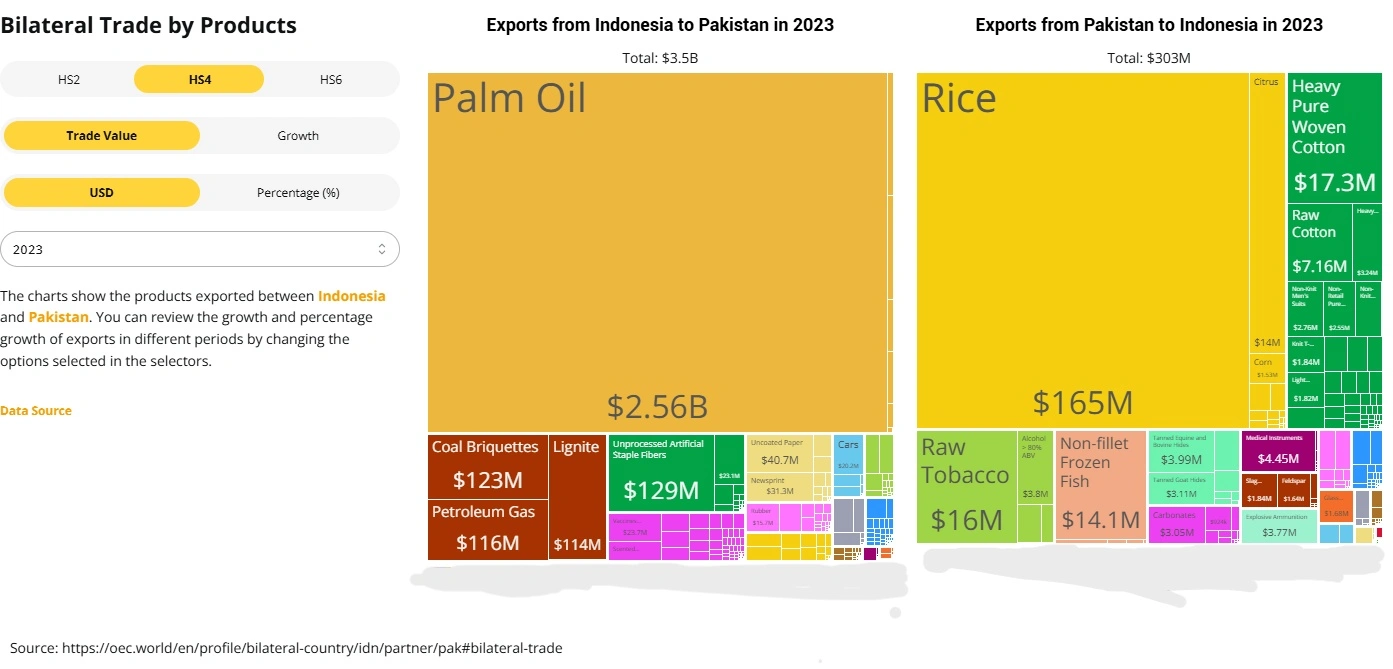
Trade remains a cornerstone of Indonesia–Pakistan relations. Despite steady growth, the balance still favors Indonesia. The 2013 Preferential Trade Agreement (PTA) improved access, yet Pakistani exporters—especially in textiles and rice—continue to face tariff and non-tariff barriers.
In 2023, bilateral trade reached $3.8 billion, growing 7.92% over five years. However, to unlock full potential, both nations must explore a Free Trade Agreement (FTA) to create a more equitable framework. Strengthening the halal economy, agritech, and digital trade could drive future collaboration and balance trade flows.
Strategic and Diplomatic Priorities
Diplomatic momentum has sometimes slowed due to differing foreign policy priorities. Indonesia’s ASEAN-centric approach keeps its focus within Southeast Asia, while Pakistan remains engaged with South Asia and the Middle East. This geographical divergence limits sustained high-level engagement.
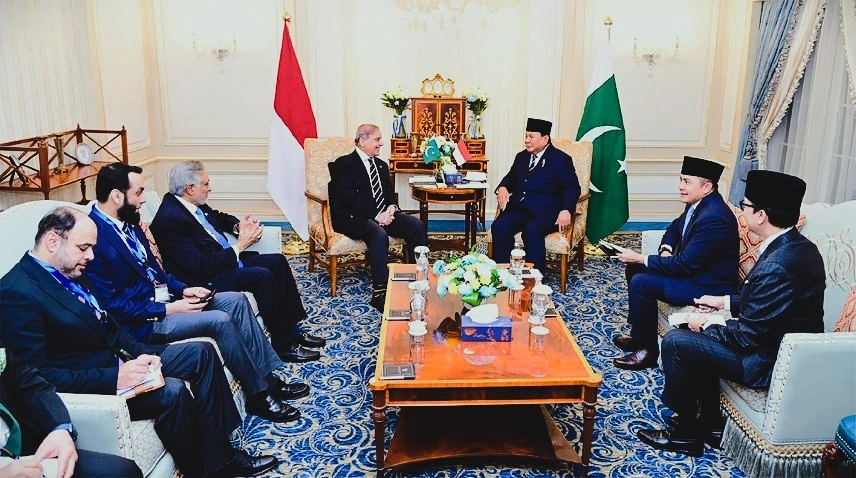
Strategic alignments also play a role. Pakistan’s alliance with Western powers contrasts with Indonesia’s free and active stance. Moreover, Jakarta’s growing ties with India, particularly after President Prabowo’s postponed visit to Islamabad, illustrate its careful diplomatic balancing act.
Mutual Cooperation in Defense and Education
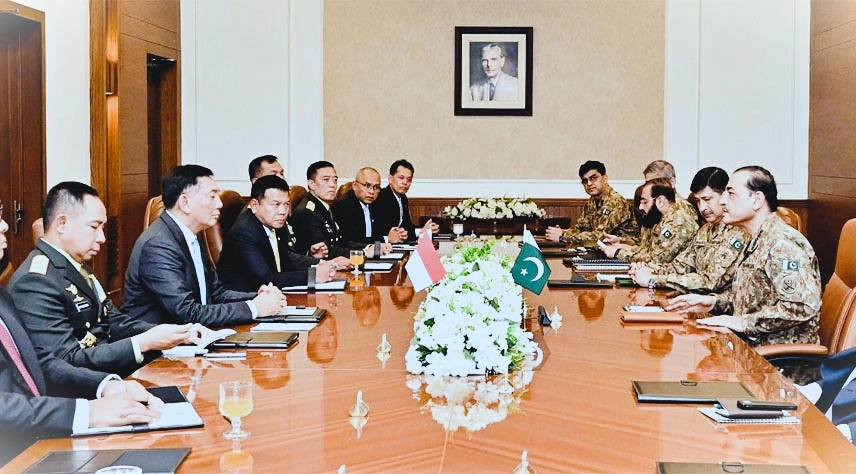
Defense cooperation, though under-publicized, has continued to evolve. The 2010 defense agreement laid the groundwork for deeper military collaboration. In August 2025, Ambassador Chandra Warsenanto Sukotjo presented President Prabowo Subianto’s Letter of Credence to President Asif Ali Zardari, emphasizing renewed economic and defense relations—building upon the legacy of Lt. Gen. Sjafrie Sjamsoeddin’s earlier visits.
Baca juga: ICE Launches Book Commemorating 75 Years of Indonesia–Pakistan Friendship
Educational and cultural diplomacy remain key bridges between the nations. Indonesia’s Kemitraan Negara Berkembang (KNB) scholarship welcomes Pakistani students, while more than 300 Indonesians pursue studies in Pakistan. Expanding these programs could create a generation of leaders rooted in mutual understanding and collaboration.
Cultural Diplomacy and People-to-People Ties
Culture continues to unite the two nations in unique ways. The popularity of Indomie in Pakistan—produced locally in Faisalabad—illustrates soft power in action. Similarly, tourism presents untapped potential. While Indonesia now enjoys free e-visas to Pakistan, the lack of direct flights and high travel costs still limit growth.
Encouraging greater tourism exchange, promoting cultural exhibitions, and launching joint creative initiatives could strengthen mutual perception and understanding. Such efforts go beyond economics—they forge emotional connections between societies.
Looking Ahead: From Symbolism to Substance
The opportunities ahead extend far beyond traditional cooperation. Upgrading the PTA to a full FTA, launching joint ventures in defense manufacturing, and improving connectivity through direct air routes can serve as practical next steps. Both countries must also address shared challenges in climate resilience, digital transformation, and food security.
To move beyond ceremonial rhetoric, Pakistan and Indonesia must adopt a results-oriented approach. Their partnership should aim not only for mutual gain but also for regional leadership—setting an example for collaborative development across Asia.
Conclusion
Seventy-five years of Indonesia–Pakistan relations represent more than diplomatic milestones—they reflect shared ideals, mutual sacrifices, and common aspirations for progress. From the battlefields of Surabaya to the trade corridors of Jakarta and Islamabad, the journey has been long, but the mission continues.
As both nations look to the future, it is time to turn friendship into concrete cooperation. Readers are encouraged to explore more insightful stories on Pakistan Indonesia that celebrate the enduring ties between the two nations.
For more updates on cultural, economic, and diplomatic engagement, visit PakistanIndonesia.com and stay connected with our latest features and reports.


