
Pakistan’s startup conversation has often revolved around fintech, e-commerce, and digital services. Yet another sector is steadily gaining momentum, green technology. As climate risks intensify and energy challenges persist, green tech startups in Pakistan are emerging as critical players in shaping a more sustainable economic future.
From renewable energy solutions to waste management platforms and climate-smart agriculture tools, these startups are not only addressing environmental concerns. They are also redefining how innovation intersects with long-term economic resilience.
A Climate Challenge Turning into Opportunity
Pakistan is among the countries most vulnerable to climate change. Floods, heatwaves, water shortages, and energy instability have underscored the urgency of sustainable solutions. Traditionally, environmental policy was seen as a public-sector responsibility. Today, entrepreneurs are entering the conversation with market-driven approaches.
Green tech startups in Pakistan are leveraging digital tools, data analytics, and clean energy technologies to respond to systemic challenges. What once appeared to be a constraint is gradually transforming into a new economic frontier.
From Renewable Energy to Smart Agriculture
The scope of green innovation is expanding. Solar energy startups are developing distributed power solutions for homes and small businesses, reducing reliance on unstable grids. Others are working on energy efficiency software, helping companies monitor and optimise power consumption.
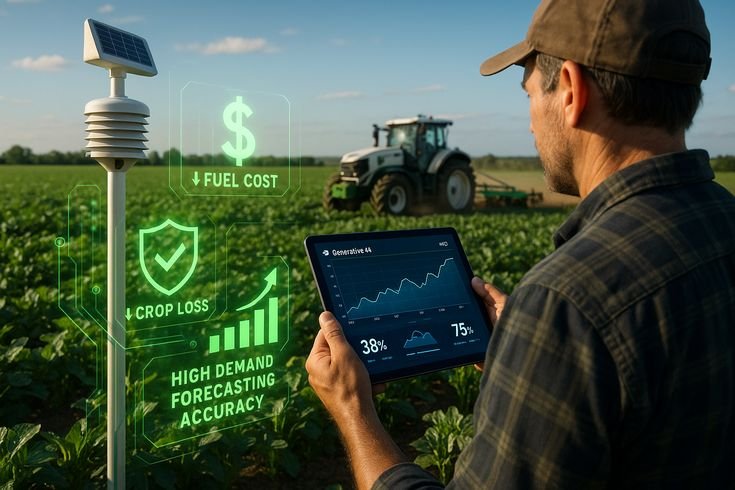
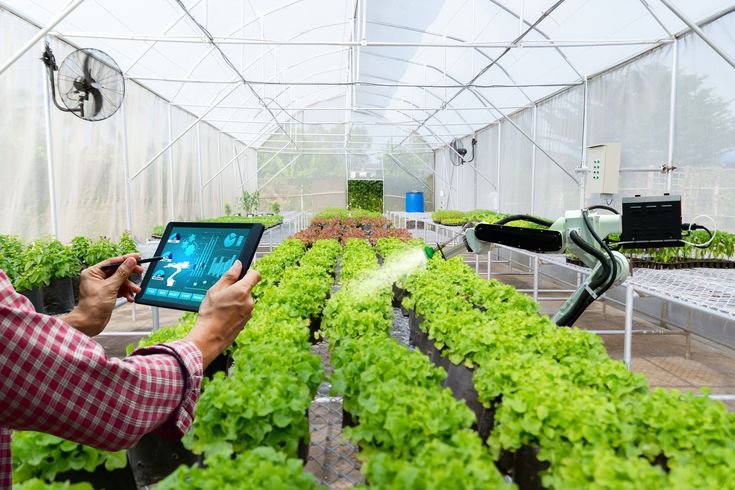
In agriculture, climate-tech ventures are offering data-driven irrigation management and crop monitoring systems. Waste management startups are introducing recycling marketplaces and smart collection systems.
These solutions go beyond environmental branding. They aim to solve cost inefficiencies, resource waste, and infrastructure gaps that affect both urban and rural communities.
Youth Innovation and Policy Momentum
A significant driver behind the rise of green tech startups in Pakistan is its young entrepreneurial base. Many founders are motivated by both commercial potential and environmental responsibility. Universities and innovation hubs are increasingly incorporating sustainability themes into research and incubation programs.
Government initiatives promoting renewable energy targets and climate resilience have also created indirect support. While regulatory frameworks remain evolving, public discourse around sustainability is stronger than ever.
Private investors are beginning to recognise that climate-aligned startups are not only ethical investments but also commercially viable in the long term.
Economic Impact Beyond Environmental Goals
Green technology contributes to more than carbon reduction. It creates jobs in engineering, data analysis, logistics, and manufacturing. It attracts impact-focused capital and opens access to international climate funds.
For Pakistan’s broader economy, green tech startups offer diversification. By aligning innovation with global sustainability trends, the country positions itself within emerging markets that prioritise environmental responsibility.
In addition, small and medium enterprises benefit from energy-efficient solutions that reduce operational costs. Over time, these efficiencies can strengthen competitiveness across industries.
Structural Barriers and Investment Gaps
Despite promise, green tech startups in Pakistan face significant obstacles. Access to early-stage funding remains limited compared to fintech or e-commerce sectors. Climate projects often require longer investment horizons, which can discourage risk-averse capital.
Regulatory clarity is still evolving, particularly around renewable energy tariffs, environmental compliance, and carbon markets. Infrastructure gaps and inconsistent policy implementation further slow scaling efforts.
There is also a knowledge gap among consumers and businesses, where short-term cost considerations sometimes outweigh long-term sustainability benefits.
The Road Ahead for Green Innovation
The future of green tech in Pakistan will depend on alignment between policy, capital, and entrepreneurial capacity. As global markets increasingly prioritise sustainability standards, Pakistani startups that integrate environmental solutions may gain competitive advantage.
Digitalisation will likely accelerate climate innovation. Data-driven monitoring systems, smart grids, and AI-powered resource management tools could define the next phase of development.
If investment ecosystems mature and regulatory frameworks stabilise, green tech startups in Pakistan may shift from niche innovators to mainstream economic contributors.
Green tech startups in Pakistan represent more than environmental optimism. They signal a broader shift toward innovation that balances economic growth with ecological responsibility.
While challenges remain, the sector has begun carving out space within Pakistan’s digital economy. Its long-term success will depend on consistent policy support, patient investment, and continued talent development.
In a global landscape where sustainability increasingly defines competitiveness, Pakistan’s green tech movement may prove to be not only timely, but essential for the country’s economic future.

