
7 Pakistani Unicorn Startups Driving Pakistan’s Digital Economy
For years, Pakistan’s startup scene was described as “emerging.” In 2026, that label feels outdated. A growing number of Pakistani unicorn startups have changed the tone of the conversation, from potential to performance.
Investors are watching. Regional competitors are paying attention. And young entrepreneurs across the country are rethinking what is possible.
Unicorn status, a private company valued at over $1 billion, is more than a headline figure. It signals scale, investor confidence, and the ability to build solutions that resonate beyond local markets.
So who are the companies shaping this shift? And what does their rise mean for Pakistan’s digital economy?
Pakistan’s Startup Ecosystem Is No Longer Small
Pakistan has one of the youngest populations in the world. Smartphone penetration continues to grow. Digital payments are expanding. E-commerce is becoming mainstream in major cities.
This combination has created fertile ground for technology startups.
In recent years, venture capital inflows into Pakistan have surged compared to the previous decade. International funds now view Pakistan not as a high-risk outlier, but as an underpenetrated market with room for exponential growth.
The emergence of Pakistani unicorn startups reflects this broader ecosystem shift.
1. Careem – Mobility That Changed Urban Pakistan
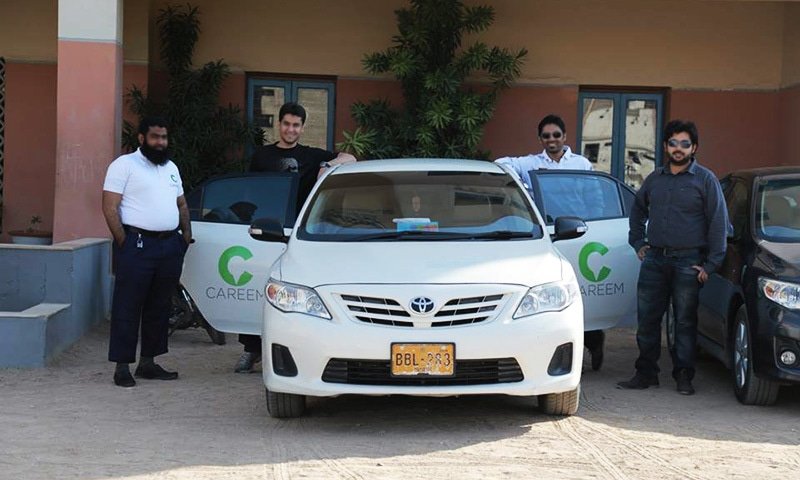
Careem’s operations in Pakistan reshaped ride-hailing and digital services. Before app-based transport, commuting options were limited and fragmented.
Careem introduced a scalable, tech-driven mobility model that later expanded into food delivery and digital services. Its regional unicorn status proved that tech-enabled platforms could thrive in Pakistan’s urban environment.
2. Bazaar – Digitizing Traditional Retail
Bazaar tackled one of Pakistan’s most traditional sectors: neighborhood retail. By connecting small shop owners directly to suppliers through a digital platform, it modernized supply chains.
In a country where millions rely on small retail stores, digitization at this level has wide economic implications. Bazaar’s growth positioned it among the most recognized Pakistani unicorn startups.
3. Bykea – Built for Local Realities
Bykea used motorcycles, a common transport mode in Pakistan, to power ride-hailing, parcel delivery, and payments.
Instead of copying global models, it adapted to local infrastructure and affordability constraints. That local-first approach helped it scale rapidly.
4. Airlift – The Fast Rise of Quick Commerce
Airlift’s journey from mass transit to rapid grocery delivery highlighted both ambition and volatility in Pakistan’s startup landscape.
At its peak, it achieved unicorn valuation and attracted global investors. Although it later shut down, its rise demonstrated how quickly Pakistani startups can capture attention and capital.
5. TAG – Fintech for a Mobile Generation
Fintech remains one of Pakistan’s strongest growth sectors. TAG positioned itself as a digital banking alternative targeting a young, mobile-first population.
With millions still outside the formal banking system, fintech startups play a crucial role in expanding financial inclusion.
6. Truck It In – Modernizing Logistics
Logistics in Pakistan has traditionally been fragmented and offline. Truck It In aims to digitize freight operations, connecting shippers and transporters through technology. As e-commerce expands, efficient logistics infrastructure becomes increasingly critical.
7. Swvl (Regional Presence with Pakistan Impact)
While founded elsewhere, Swvl’s operational footprint in Pakistan helped draw investor interest toward mobility solutions in South Asia, including Pakistan’s transport sector.
Why Pakistani Unicorn Startups Matter Beyond Valuation
The significance of Pakistani unicorn startups goes far beyond billion-dollar numbers. They create high-skilled jobs in engineering, product development, marketing, and operations. They attract foreign investment, they encourage regulatory modernization.
Perhaps most importantly, they change perception. Pakistan is no longer seen solely through the lens of macroeconomic challenges. Increasingly, it is associated with digital innovation and entrepreneurial ambition.
The Risks Behind the Headlines
High valuations do not guarantee sustainability. Currency fluctuations, funding slowdowns, regulatory uncertainty, and infrastructure gaps remain real risks.
Several startups have experienced rapid growth followed by difficult corrections. This underscores the importance of building resilient business models rather than chasing valuation milestones.
For Pakistani unicorn startups to remain competitive, they must balance scale with operational discipline.
The Future of Pakistan’s Digital Economy
The next wave of growth is likely to emerge from fintech, climate tech, edtech, health tech, and AI-driven platforms. If infrastructure improves and policy remains stable, Pakistan could produce more unicorns in the coming years.
The ecosystem is maturing. Founders are more experienced. Investors are more informed. Consumers are more digitally engaged. The question is no longer whether Pakistan can produce unicorn startups. The real question is whether it can convert this momentum into long-term economic transformation.
Pakistani unicorn startups represent a pivotal moment in the country’s digital evolution. They symbolize ambition, resilience, and the growing confidence of investors in Pakistan’s tech ecosystem. Yet long-term success will depend on sustainable growth, regulatory clarity, and continued investment in talent and infrastructure. If these foundations strengthen, today’s unicorns may be remembered not as isolated success stories, but as the beginning of Pakistan’s full-scale digital economy transformation.

