
Pakistanindonesia.com – The Pakistan digital divide is becoming more visible as the country’s tech boom accelerates. In cities like Karachi, Lahore, and Islamabad, digital life is growing rapidly. People shop online, attend virtual classes, and build businesses from their smartphones. Internet access is now part of daily life.
However, beyond these urban centers, a different reality exists. In many rural areas of Pakistan, internet access remains limited. Devices are still expensive, and digital skills are developing slowly.
As a result, while some communities move forward, others fall behind.
Understanding the Pakistan Digital Divide
The Pakistan digital divide refers to unequal access to technology and digital services. This gap appears in several ways:
- Cities have faster internet than rural areas
- Smartphones are not affordable for everyone
- Digital skills vary widely
- Women often have less access to technology
Because of these differences, not everyone benefits from digital progress.
Pakistan Digital Divide: Rapid Progress, Uneven Impact
Pakistan has made strong progress in digital adoption. Mobile usage continues to rise, and internet penetration keeps expanding. At the same time, millions of people are still offline. In remote regions, slow connections make online learning difficult. Farmers struggle to access real-time market data. Small businesses cannot easily sell online.
Moreover, inequality affects opportunities. Students without internet fall behind. Entrepreneurs without access miss new markets. Therefore, the benefits of digital growth are not evenly shared.
Government Action to Reduce the Pakistan Digital Divide
To reduce the Pakistan digital divide, the government has launched several initiatives. One key step is expanding broadband infrastructure. More towers and fiber networks are being developed to reach underserved areas.
In addition, Pakistan introduced the Digital Nation Pakistan Act 2025. This policy aims to accelerate digital transformation in sectors such as education, healthcare, and finance. Programs also focus on:
- Digital literacy training
- Youth skill development
- Expanding rural connectivity
These efforts show a strong commitment to inclusion.
Business and Innovation Driving Change
The private sector also plays an important role. Telecommunication companies continue to expand coverage. Meanwhile, tech startups create solutions for real problems.
For example, digital platforms help farmers check crop prices and weather updates. Fintech services allow people without bank accounts to access financial tools. As a result, more people can join the digital economy—even in remote areas.
Education and the Pakistan Digital Divide
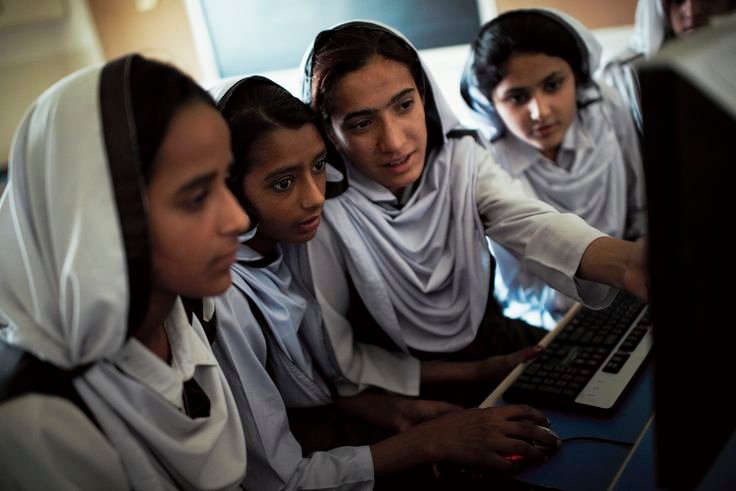
Education is key to solving that, programs like the Presidential Initiative for Artificial Intelligence and Computing (PIAIC) help young people learn modern digital skills. At the same time, schools are slowly integrating technology into learning. However, challenges remain. Many rural schools still lack reliable internet. Teachers may not have enough training in digital tools. Therefore, improving digital education is essential.
Why the Pakistan Digital Divide Matters
Closing the Pakistan digital divide is about more than technology. It is about opportunity. When people gain access, they can:
- Learn new skills
- Start online businesses
- Access financial services
- Connect with global markets
For individuals, this can change their future. For communities, it can drive economic growth.
Challenges That Still Exist
Despite progress, several issues remain:
- High cost of devices and data
- Uneven internet quality
- Low digital literacy
- Social and cultural barriers
In addition, infrastructure development requires time and investment.
The Road Ahead for Pakistan Digital Divide
Pakistan stands at a critical moment. Digital growth is accelerating, but inequality still exists. The solution requires collaboration. The government must invest more. Businesses must innovate. Communities must adapt. At the same time, internet access and devices must become more affordable. If these efforts succeed, Pakistan can build a more inclusive digital future.
Outbound Links (Tambahkan di WordPress)
Masukkan ini biar SEO makin kuat:
- https://www.pta.gov.pk/ (Pakistan Telecommunication Authority)
- https://www.worldbank.org/ (digital inclusion data)
- https://www.ericsson.com/ (network development insights)

