
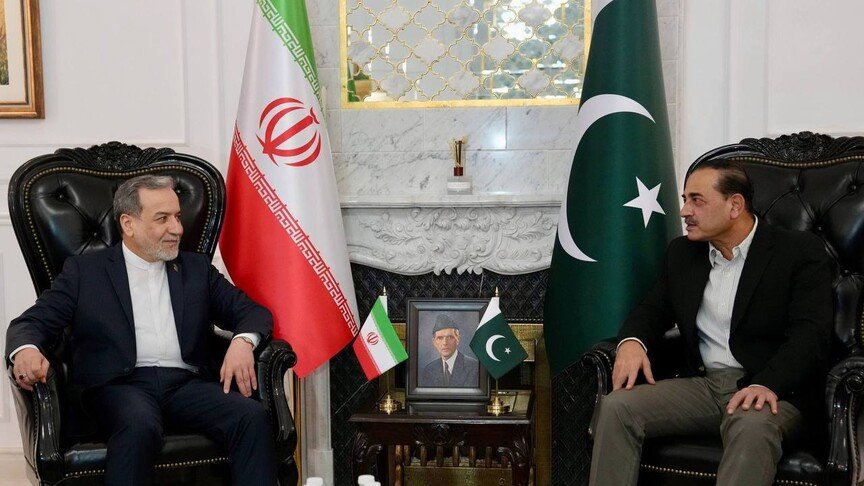
pakistanindonesia.com – A new diplomatic signal from Iran is drawing global attention. Foreign Minister Hossein Amir-Abdollahian has met with the army chief of Pakistan, a move that is quickly being interpreted as more than routine diplomacy. At a time when tensions between Iran and the United States remain unresolved, this meeting is fueling speculation about a possible second round of negotiations that could reshape regional stability. The timing is critical, and the message appears deliberate: diplomacy is shifting, not stopping.
Six Key Signals Behind Iran’s Strategic Move
Iran’s latest move highlights a deeper strategic recalibration that goes beyond a simple bilateral meeting. Analysts see this as a combination of political messaging, security positioning, and economic necessity. The involvement of Pakistan’s military leadership signals that future negotiations may include broader security frameworks, not just diplomatic agreements. This also suggests that Iran is preparing for more complex discussions, where regional stability and defense considerations play a central role.
At the same time, the meeting reflects a layered diplomatic approach. Iran appears to be leveraging Pakistan’s strategic position as an intermediary while maintaining flexibility in its engagement with the United States. Below are six key signals shaping this development:
- A shift toward military-level diplomacy, indicating security issues are now central.
- Pakistan emerging as a quiet but crucial mediator.
- Renewed momentum toward reviving stalled negotiations.
- Economic pressure pushing Iran to diversify diplomatic channels.
- Rising regional stakes affecting global energy and security.
- A calculated message to Washington that Iran remains open to talks under revised terms.
Diplomacy Under Pressure
Relations between Iran and the United States remain fragile. Years of disagreement over nuclear policy, sanctions, and regional influence have created a deep divide. The collapse of the Joint Comprehensive Plan of Action continues to shape the current diplomatic landscape, leaving both sides cautious and defensive.
Despite this, indirect engagement channels remain active. Meetings involving third parties like Pakistan suggest that communication is still ongoing, even if formal negotiations appear stalled. This creates a complex environment where progress is possible, but far from guaranteed.
Regional Impact and Global Stakes
The implications of this development extend beyond Iran and the United States. The Middle East remains highly sensitive to shifts in diplomatic alignment, while South Asia’s stability is closely linked to Pakistan’s role in regional politics. Any movement toward renewed talks could influence alliances, security policies, and economic strategies across multiple regions.
Global markets are also watching closely. Energy supply routes, particularly those connected to the Gulf region, could be affected by either escalation or de-escalation. This makes the current situation not just a regional issue, but a matter of global concern.
Challenges Ahead
Despite renewed attention, major obstacles remain. Trust between Iran and the United States is still limited, and political pressure within both countries continues to shape their positions. These internal dynamics make it difficult to reach compromises that would satisfy both sides.
Additionally, regional actors have their own interests, which may complicate negotiations. Pakistan’s involvement, while strategic, also requires careful balancing to avoid escalating tensions further. These challenges suggest that any progress will require sustained effort and cautious diplomacy.
Conclusion
The meeting between Iran’s foreign minister and Pakistan’s army chief marks a significant moment in a tense geopolitical landscape. While it does not guarantee immediate progress, it signals that diplomatic pathways are still being explored.
Whether this leads to a second round of talks with the United States or simply reflects a strategic shift remains uncertain. However, one thing is clear: the situation is evolving, and the world is watching closely as new dynamics begin to take shape.
Source
Anadolu Agency: https://www.aa.com.tr/en/middle-east/iranian-fm-meets-pakistans-army-chief-to-discuss-possible-2nd-round-of-talks-with-us/3917518


